
Sustainable construction &
biogenic materials
Explore sustainable construction methods, biogenic materials, and long-term moisture monitoring up to 25 years with Tector.
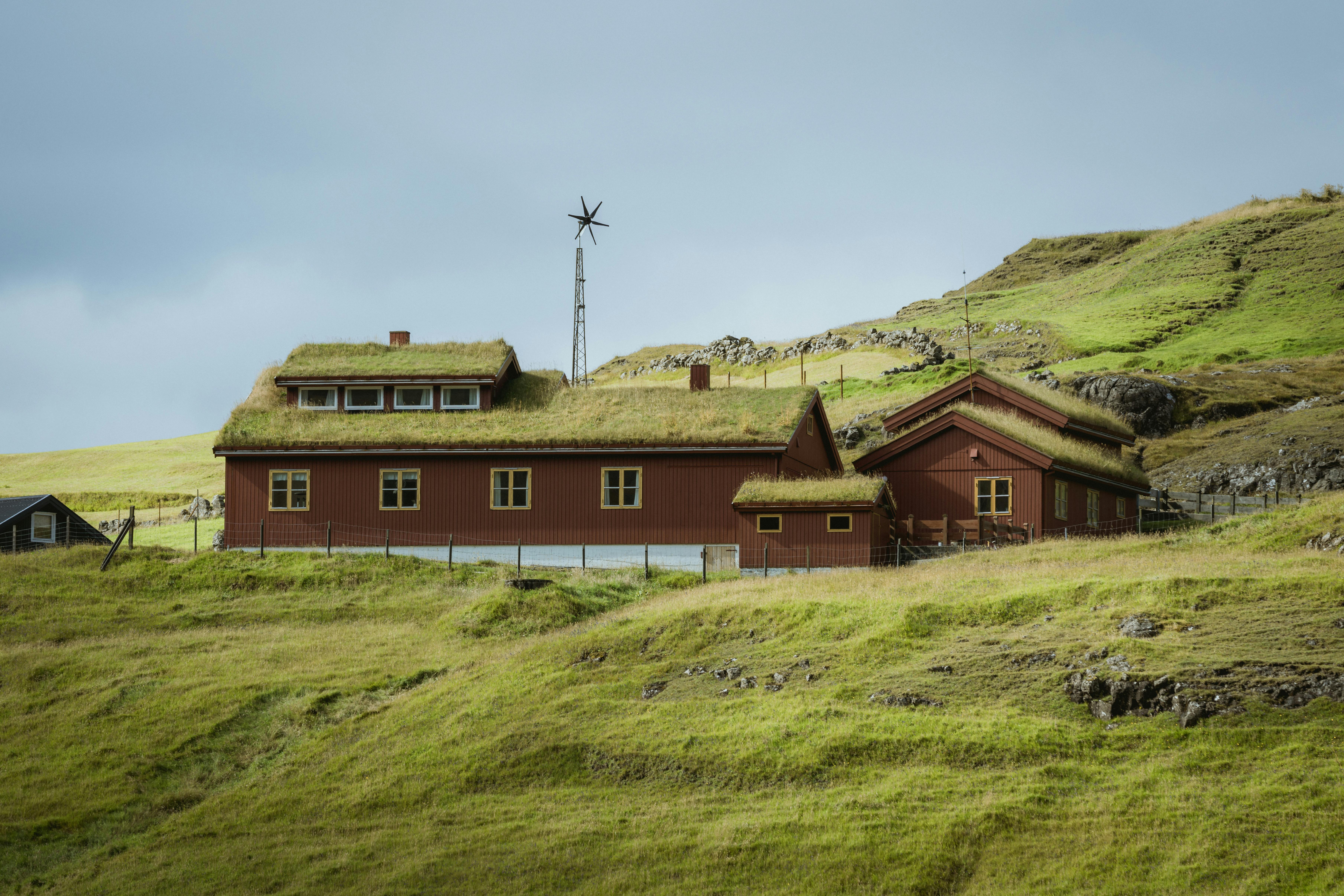
There is no such thing as “sustainable” in the construction
Every building has a carbon footprint, consumes resources, and carries risk over its lifetime. What is possible is making smarter decisions: at the design stage, during construction, and in operation, to reduce waste, rework, and emissions.
- The problem:
- Repairs, replecaments, and premature failures multiply a building's carbon impact
- Hidden moisture damage often goes undetected, compromising structural elements, insulation and finishes
- Single "green" materials aren't enough. Durability, quality assurance and risk management across the full lifecycle matters.
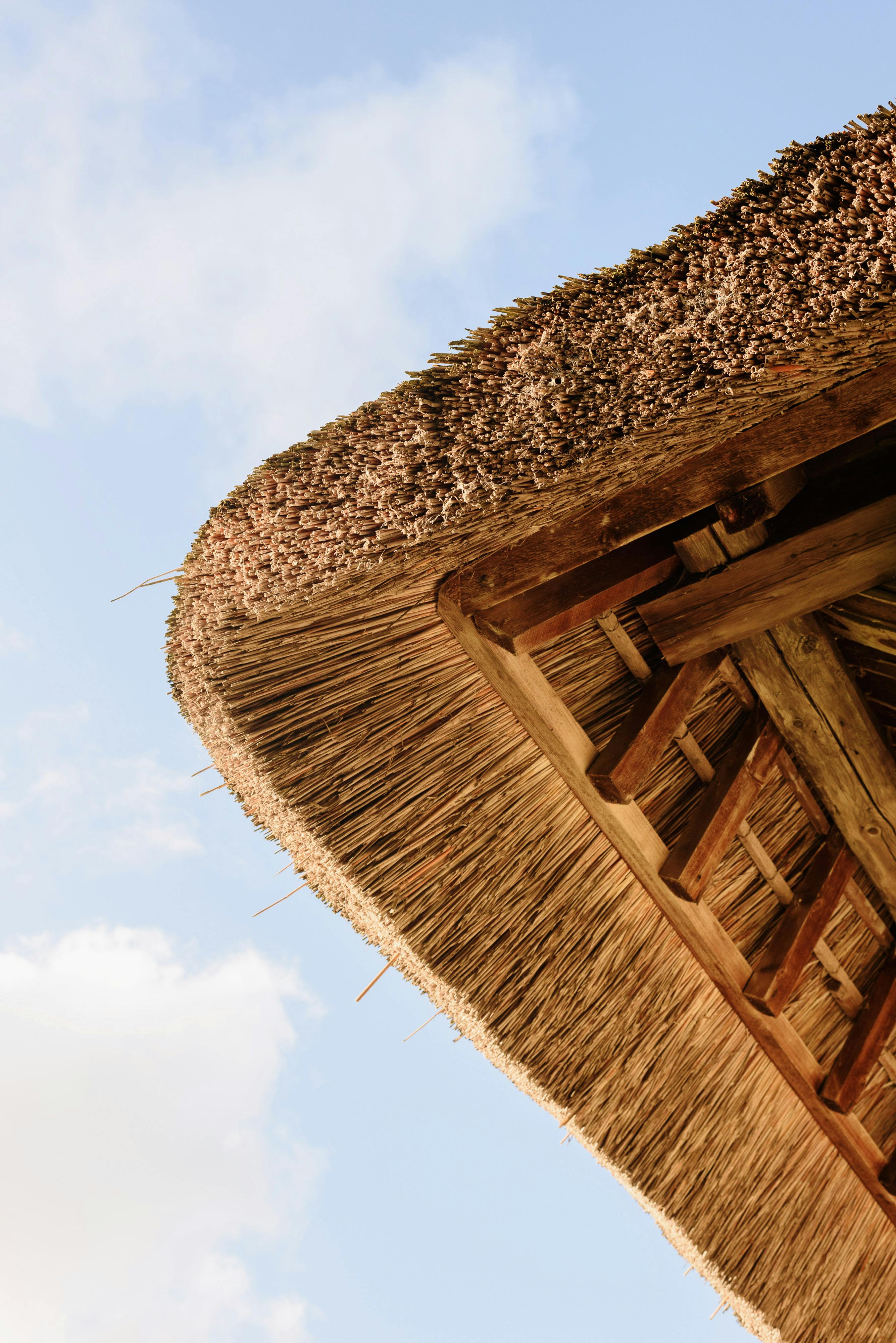
Why moisture control is central to sustainable construction
- Moisture is one of the most common causes of hidden damage in buildings.
-
Continuous monitoring provides practical, early detection that helps you:- Extend the life of building elements
- Reduce the need for repairs and replecements
- Protect the carbon investment already embodied in a structure
-
Sustainable construction methods focus on durability and risk reduction
- Sustainable construction methods are often framed around energy efficiency or material choice. In practice, some of the biggest environmental gains come from reducing failure and rework.
-
Effective methods focus on:- Design to tolerate real site conditions
- Sequencing construction to limit moisture exposure
- Verifying performance with data
- Maintaining risk visibility post handover
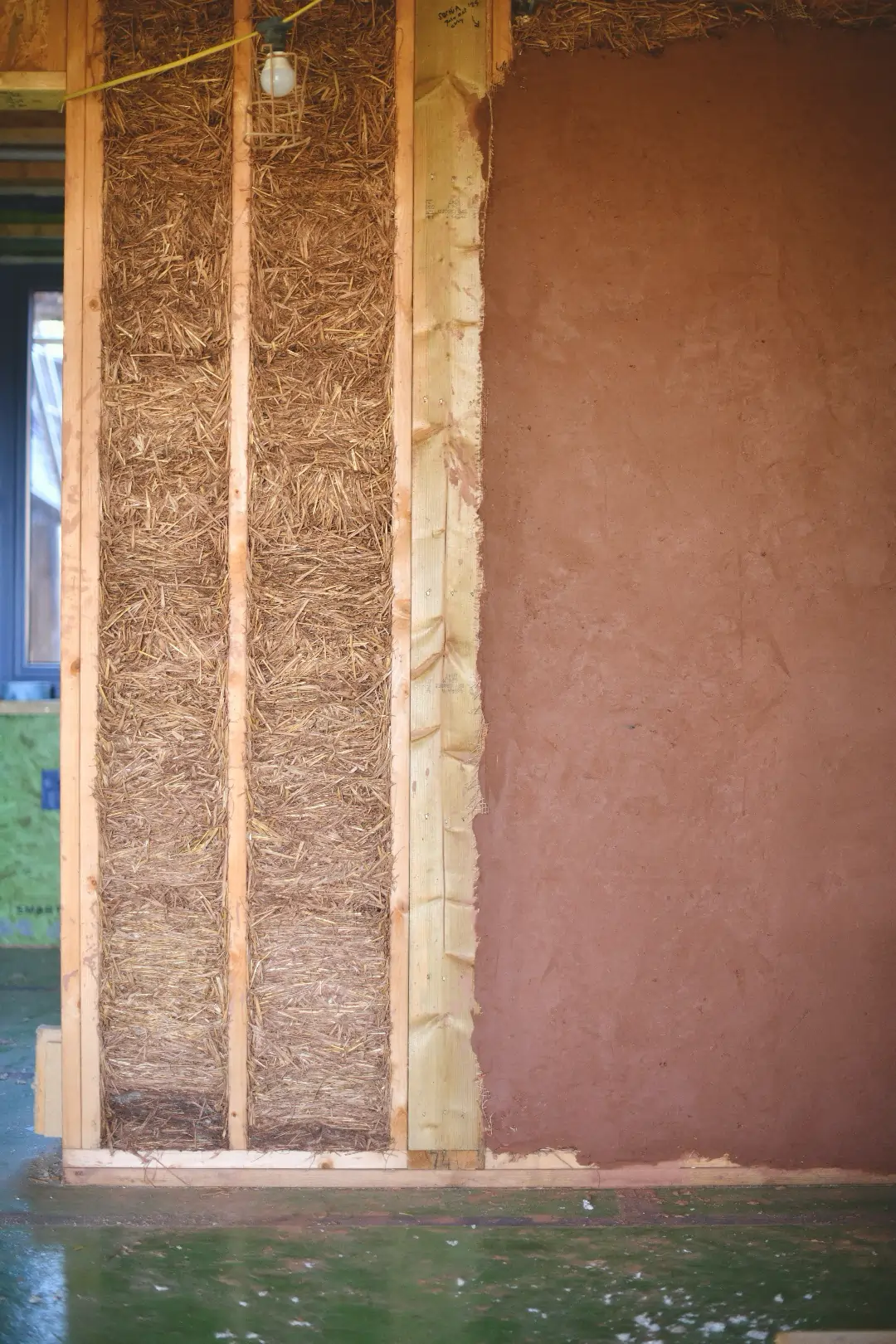

Use biogenic materials confidently
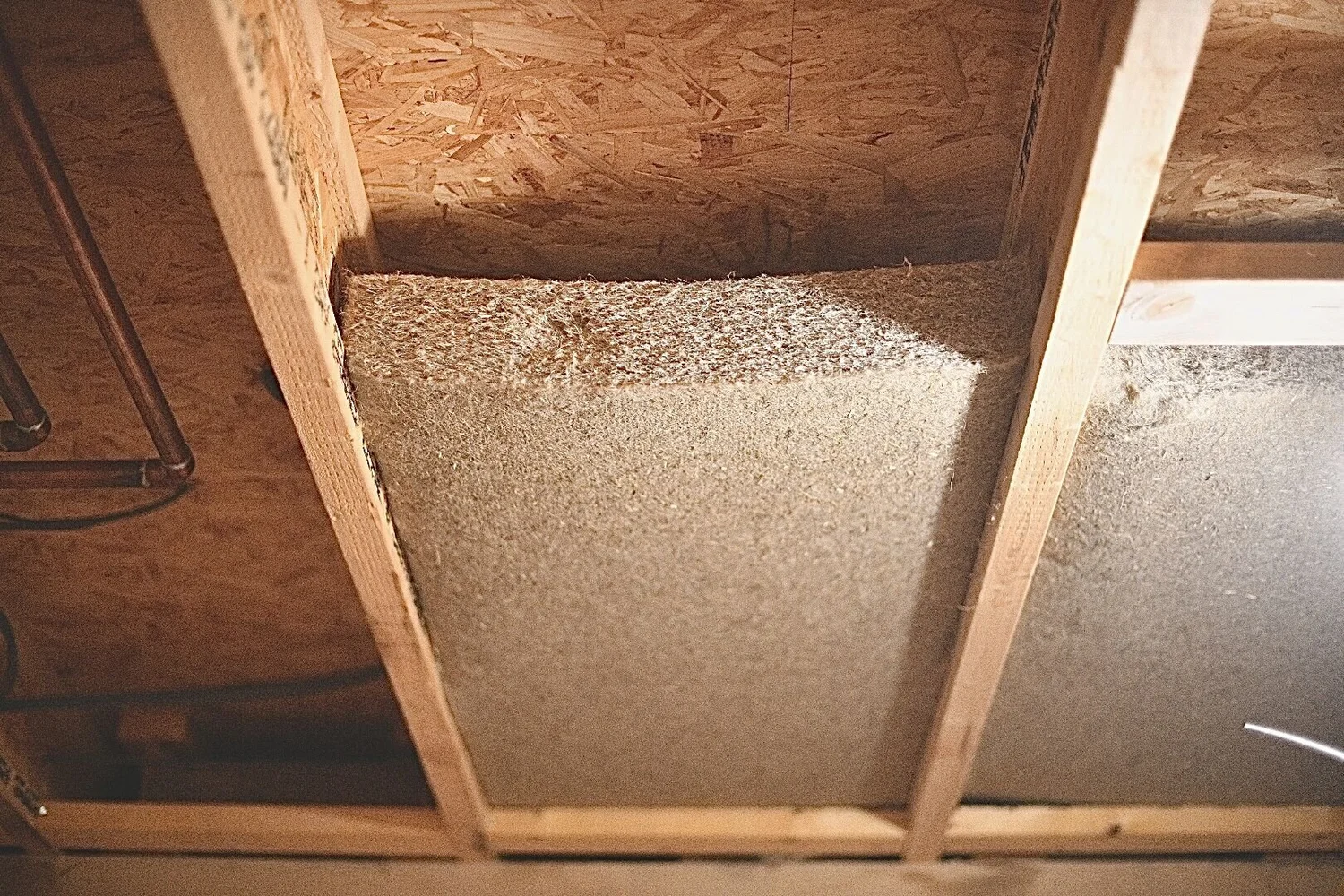
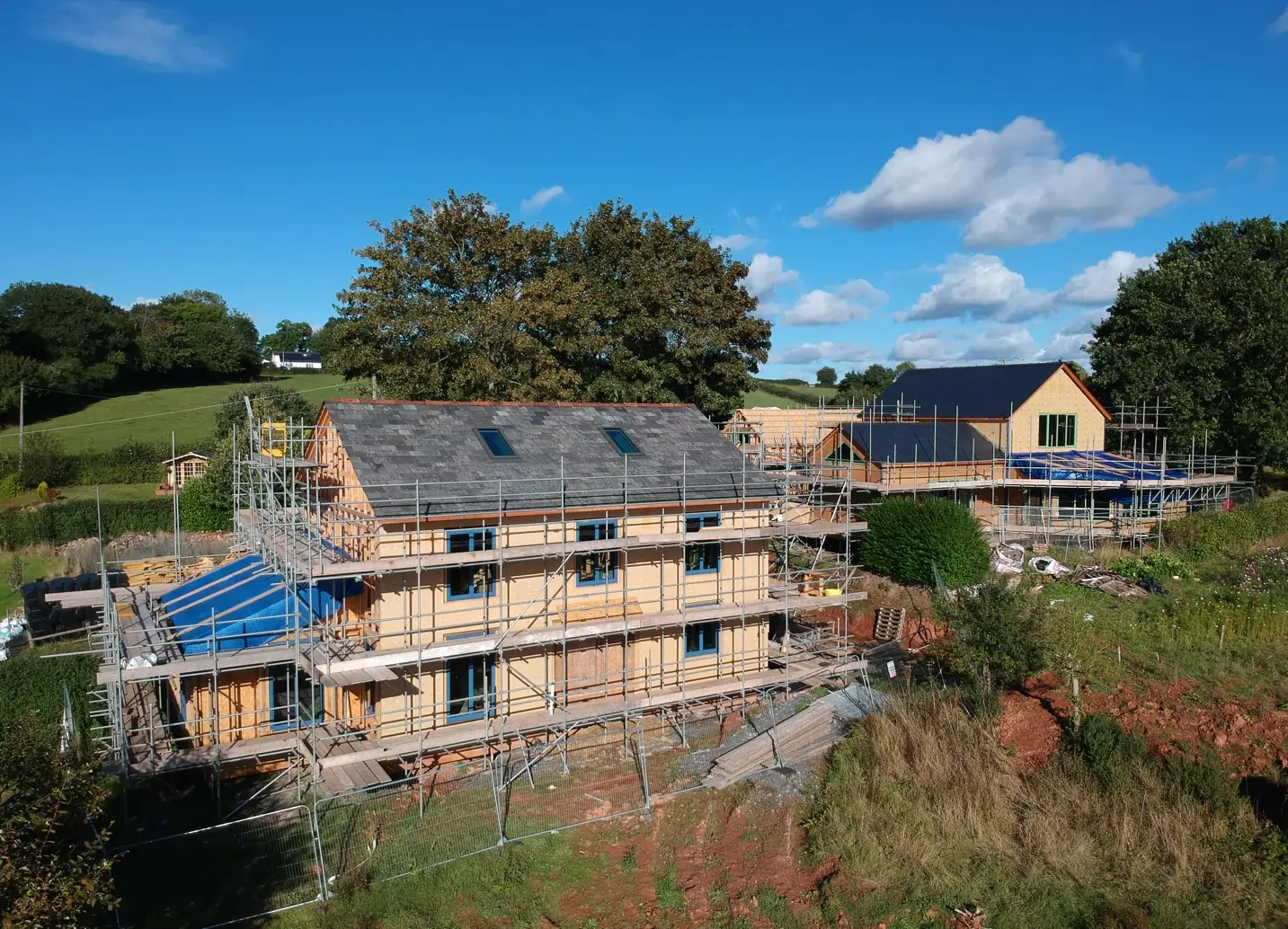
Choosing low-CO₂ materials is just the start, performance depends on how they’re installed, protected, and monitored. Here’s how Tector supports common biogenic materials:

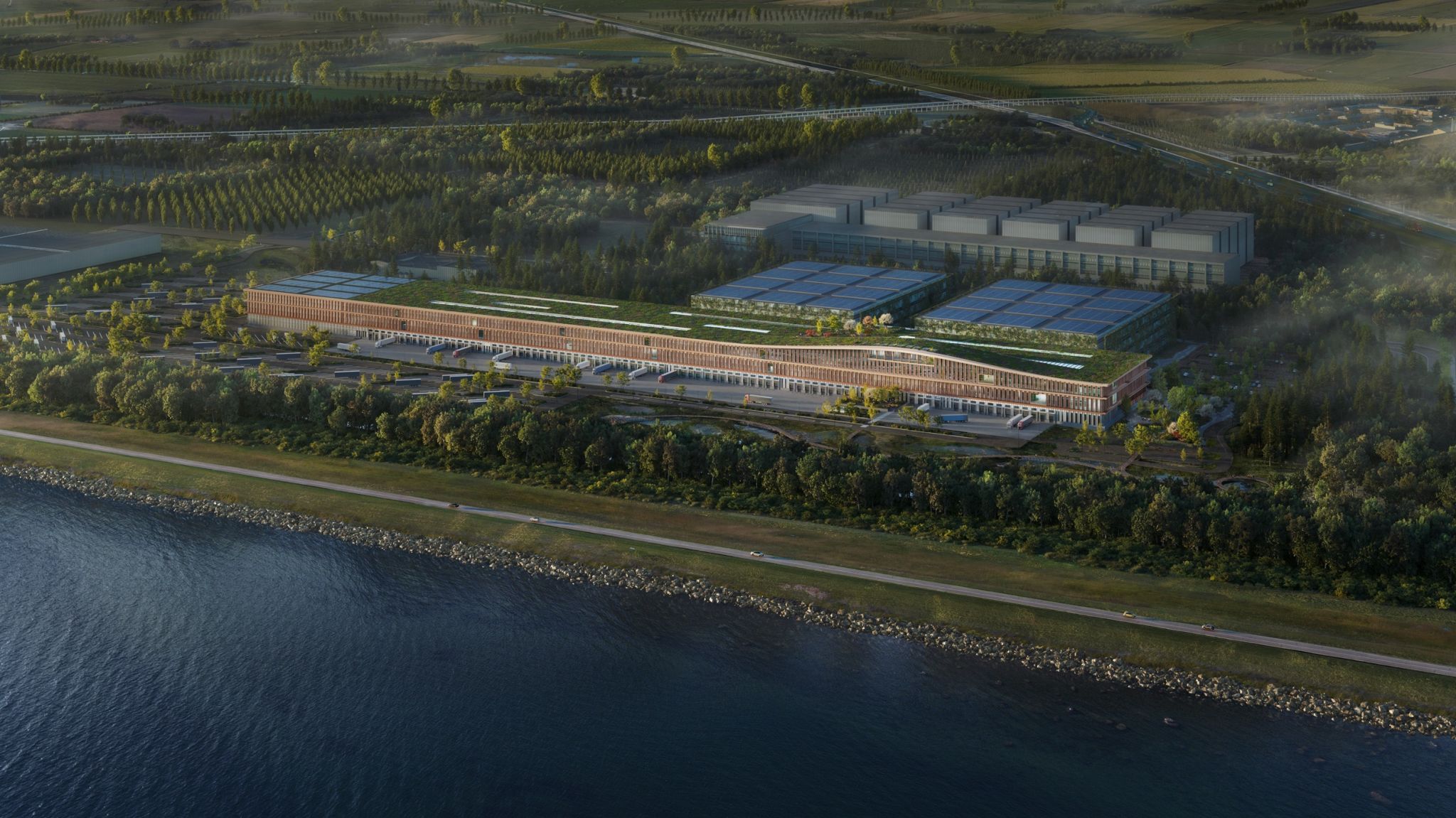
Sustainable construction is a long-term outcome
Buildings represent significant carbon and financial investments, yet most lack the continuous monitoring needed to protect their value. Moisture monitoring is a small investment with a big payoff: it detects issues early, reduces remedial work, and avoids unnecessary material replacement, cutting both costs and CO₂ emissions.
Moisture problems often develop slowly over years. Monitoring for up to 25 years ensures you can spot trends, plan repairs, and protect your investment.
%20(2).gif)
Reduce damage, costs and emissions over the lifecycle
Tector provides continuous monitoring, real-time data, and multi-layered alerts, giving reliable insights from construction through operation.
Traceability matters: Without it, disputes, delays, and cost overruns can arise. Tector ensures accountability across every stage.